Most corporate retreats are organised by somebody whose actual job is something else. They are given a headcount, a budget and a date, and everything after that arrives as a series of decisions they did not expect to be making.
The order you make those decisions in determines how much of your own time the retreat consumes. Here is the order that works.
Lock three things immediately
Dates, headcount and budget per head. Nothing else can be quoted until these exist, and every week they stay open is a week of availability disappearing. An approximate headcount is fine. A range of dates is not, because holds cannot be placed on a range.
Venues do not hold space for an idea. They hold space for a date and a number.
Then choose the setting, not the venue
Kenya offers four broadly different retreat settings, and the choice between them shapes everything downstream.
Naivasha and the Rift Valley. Roughly two hours from Nairobi, which makes it the default for anything under three nights. Lakeside conference facilities, boat trips and walking at Crescent Island for the activity component.
Nanyuki and Laikipia. Three to four hours, or a short flight. Mount Kenya as a backdrop, conservancy activities, and a genuine sense of having left the city. Better for senior leadership offsites where the point is to think.
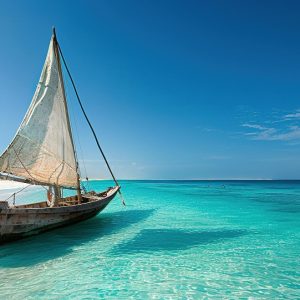
The coast. Diani or the north coast, reached by a one hour flight. The strongest choice for annual getaways and reward trips where the incentive matters more than the meeting rooms.
The Mara. The most memorable and the most expensive, with the tightest capacity constraints. Realistic for smaller groups and where the retreat is the reward rather than the working session.
Decisions that can wait
Rooming lists, dietary requirements, session agendas and the seating plan are all genuinely late decisions. Organisers frequently chase these in week one and delay the venue hold, which is the wrong way round. Suppliers need numbers early and names late.
The logistics that actually cause problems
- Staggered arrivals. People will arrive on different flights and some will drive. Transport needs to be planned around three or four arrival windows, not one.
- Dietary and medical requirements. Remote lodges need these a week ahead, not on arrival. Collect them with the RSVP.
- Connectivity. If any working session depends on video calls, confirm bandwidth specifically rather than accepting that wifi exists.
- Single supplements. Sharing is often assumed in the budget and resented by attendees. Decide the policy before you circulate anything.
- The return. A late finish on the final day plus a long transfer plus an evening flight is how retreats end badly.
Budget reporting
Finance teams generally want a single consolidated invoice with a clear breakdown by category rather than eleven supplier receipts. Agree the format at the quotation stage. It costs nothing then and is painful to reconstruct afterwards.
Lead times
For groups under thirty outside peak season, six to eight weeks is workable. For anything in July to October, over fifty people, or requiring exclusive use of a property, three to six months is realistic. Exclusive use of Mara properties frequently needs longer than that.
What we take off you
Venue sourcing and negotiation, transport across all arrival windows, rooming coordination, dietary collation, supplier payments and a single consolidated invoice. The intent is that the person inside your company who organised the retreat gets to attend it.